Credit cards offer convenience and rewards, but they can trap you in high-interest debt that compounds monthly and damages your financial health. This article explains how the trap works, what it costs, and how to use cards wisely or get out of debt if you are already in it.
The Double-Edged Sword
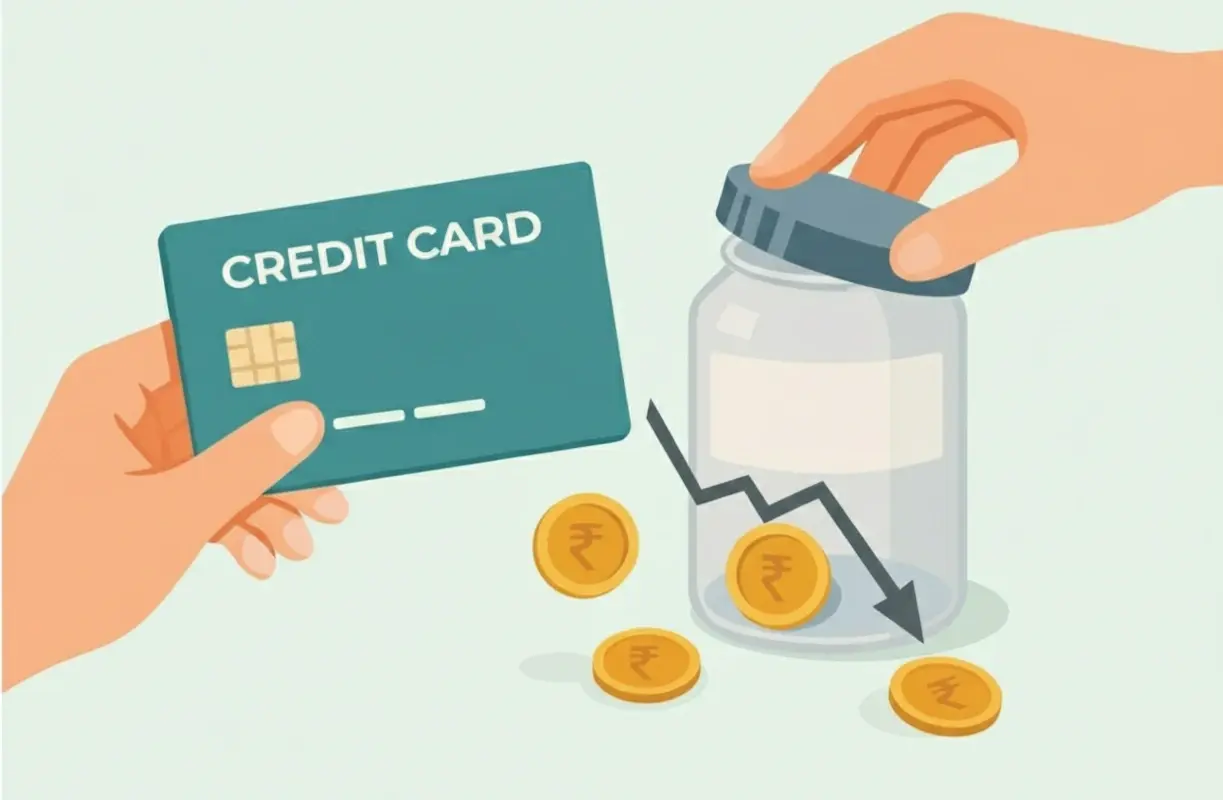
When you pay in full every month, you get convenience and sometimes rewards without cost. When you carry a balance, you pay some of the highest interest rates in the consumer world. The same tool that simplifies payments can become a nightmare when misused.
How the Trap Starts
Credit card debt rarely starts with one big purchase. It builds gradually, a few small charges you plan to pay off, then an unexpected expense, then a month when you pay only the minimum. Once you carry a balance, interest is added every month, the next month you pay interest on that higher balance, and new charges add to it. Lenders set minimum payments low so that you pay mostly interest and very little principal. A moderate balance at 20% interest can take over twenty years to clear with minimum payments, costing many times the original amount. The trap feels manageable at first, that is by design.
The Real Cost: Interest and Compounding
Rates often sit between 18% and 36% per year. At 24%, a an amount in your currency balance costs about a small amount in your currency in interest each month. Because interest compounds monthly, that cost is added to the balance, and next month you pay interest on the new total. A few thousand in debt can balloon if you only make minimum payments. Every amount that goes to interest is one that could have been saved or invested. Getting out of credit card debt is often the highest-return move you can make, you effectively earn the rate you are no longer paying. Check your card's annual percentage rate and your monthly interest charge, understanding the number is the first step toward paying off the balance and never carrying one again.
Impact on Your Financial Life
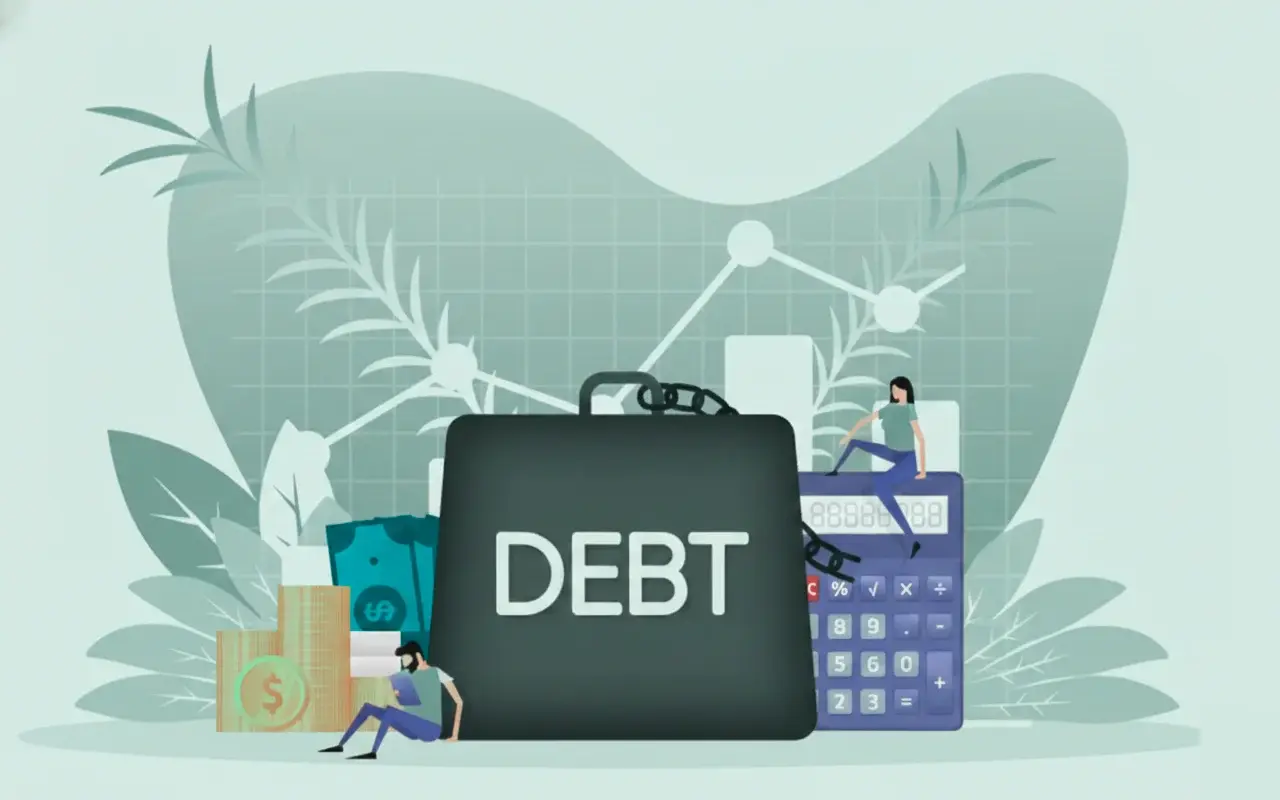
Credit card debt drains cash flow, crowds out savings and investments, increases stress, and can hurt your credit score. It blocks progress toward building an emergency fund and investing for the long term. It makes it harder to qualify for lower-cost loans when you need them. The impact goes beyond the balance: financial stress affects decisions, sleep, and wellbeing in ways that are hard to measure but easy to feel. Missed or late payments can stay on your credit report for years, raising the cost of future borrowing for a home or car.
When Cards Help vs When They Hurt
Cards are useful for convenience, building credit history, and rewards, when you pay in full every month. Use them for planned expenses you can cover when the bill arrives, not for impulse buys or to stretch your budget. The line between "using a card for convenience" and "relying on credit card" is thin. If you find yourself depending on credit to make ends meet, that is a sign to cut spending or raise income before the debt grows.
Rewards and cashback only make sense when you never pay interest. The moment you carry a balance, any benefit from rewards is wiped out many times over by the interest you pay. Treat rewards as a bonus for disciplined use, not a reason to spend more.
Responsible Use in Practice
Use credit cards so they never become a burden.
- Pay the full balance every month. If you cannot, stop using the card until the balance is zero.
- Charge only what you can pay when the bill arrives, treat the card like a debit card.
- Set up automatic full payment so you never miss a due date.
- Track credit card spending so you know where your money goes.
- Use cards for convenience and rewards, not as a source of credit for lifestyle spending.
Getting Out of Credit Card Debt
If you are already in debt, make a plan and stick to it.
- Stop using credit cards until balances are paid off. Use cash or debit if needed.
- List all cards with rates and balances. Target the highest-interest card first while paying minimums on the rest.
- Pay more than the minimum whenever possible, even a small extra amount shortens the payoff time and cuts total interest.
- Consider a balance transfer only if you can pay off the balance before the promotional rate ends and you understand the fees.
- Track your expense, cut non-essential expenses to free up cash for repayment.
The Snowball in Reverse
Debt grows in a snowball pattern. Repayment can work the same way in reverse. Once you stop adding new charges and pay more than the minimum, the balance starts to shrink. As one card is paid off, redirect that payment to the next. Momentum builds, each closed balance frees more cash for the next. Consistency matters more than speed, steady overpayment beats paying a lot one month and little the next. Even an extra a small amount in your currency above the minimum each month can cut years off the payoff time and save a large amount in interest. Every rupee freed from debt repayment is a rupee that can go toward building financial independence.
Prevention and the Right Habit
The best strategy is to never carry a balance. Only charge what you can pay when the bill arrives. Set up automatic full payment so you never miss a due date. Treat the card like a debit card, spend only what you have. If you cannot pay in full one month, stop using the card until the balance is zero. Building this habit from the start or rebuilding it after paying off debt. That way keeps you out of the interest trap and protects your financial goals.
Conclusion
Credit cards can be useful when used responsibly and dangerous when misused. Understand how interest compounds and how minimum payments extend your debt for years. Pay balances in full. If you are in debt, stop new charges, target the highest interest first, and pay down systematically. Awareness and discipline are your best defences.
Disclaimer
The information in this article is for educational purposes only and does not constitute financial or investment advice. All figures and calculations are illustrative. Consult a qualified financial advisor before making any financial decisions.
Key Takeaways
- Carrying a balance leads to high interest and growing debt.
- Pay in full each month to avoid interest and stay in control.
- Use credit for convenience, not to fund spending you cannot afford.
Ready to Calculate Your FIRE Number?
Use our free FIRE calculator to get your personalized financial independence roadmap and 24-month action plan.
Calculate Your FIRE Number Now