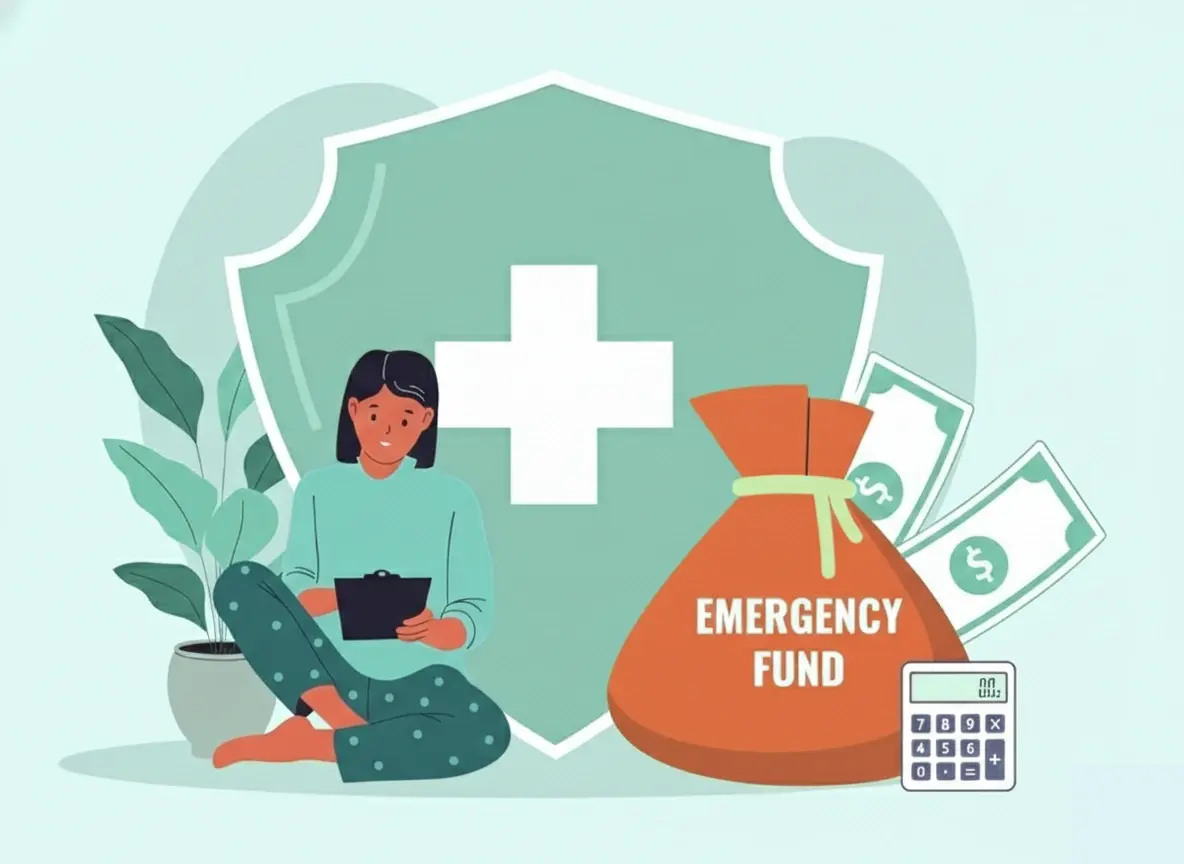
An emergency fund is the first priority before considering any investments. Without it, investing first is like building a house without a foundation. When life throws a curveball, you may be forced to sell investments at a loss or take on high-interest debt. This article explains what happens without an emergency fund, how much to build, and why the right order is protection first, then growth.
Why the Order Matters
Money set aside in a savings account earns little. It is tempting to put every spare amount into stocks or mutual funds to maximise growth. The catch is life does not follow your spreadsheet. Job loss, illness, a broken appliance, or a family crisis can demand cash at short notice. If that cash is locked in investments, you have two bad options. Which is sell in a down market and lock in losses, or borrow at high interest. Either way, the damage to your long-term wealth can outweigh years of investment returns.
When One Problem Leads to Another
Investing without a buffer can create a cycle that keeps making things worse. You invest -> an emergency hits -> you sell investments at a loss to cover the expense. You lose not only the sale value but the future compounding effects on that money. You may then borrow to cover remaining costs, adding high-interest debt. To pay the debt, you cut back on investing or save less. Your wealth-building plan blocks or reverses. If another emergency hits before you have rebuilt, the cycle repeats. Breaking it requires building the emergency fund first, so that when life throws a curveball, you never have to sell investments or borrow at high interest.
Do not assume emergencies happen only to others. Job loss, medical bills, major repairs, and family needs are common over a lifetime. The question is not whether something will happen, but whether you will be prepared.
What Actually Happens in a Crisis
When you need money quickly and have no cash reserve, people typically:
- Sell investments at a loss, often when markets have already fallen.
- Withdraw from retirement accounts, sometimes facing penalties and extra tax.
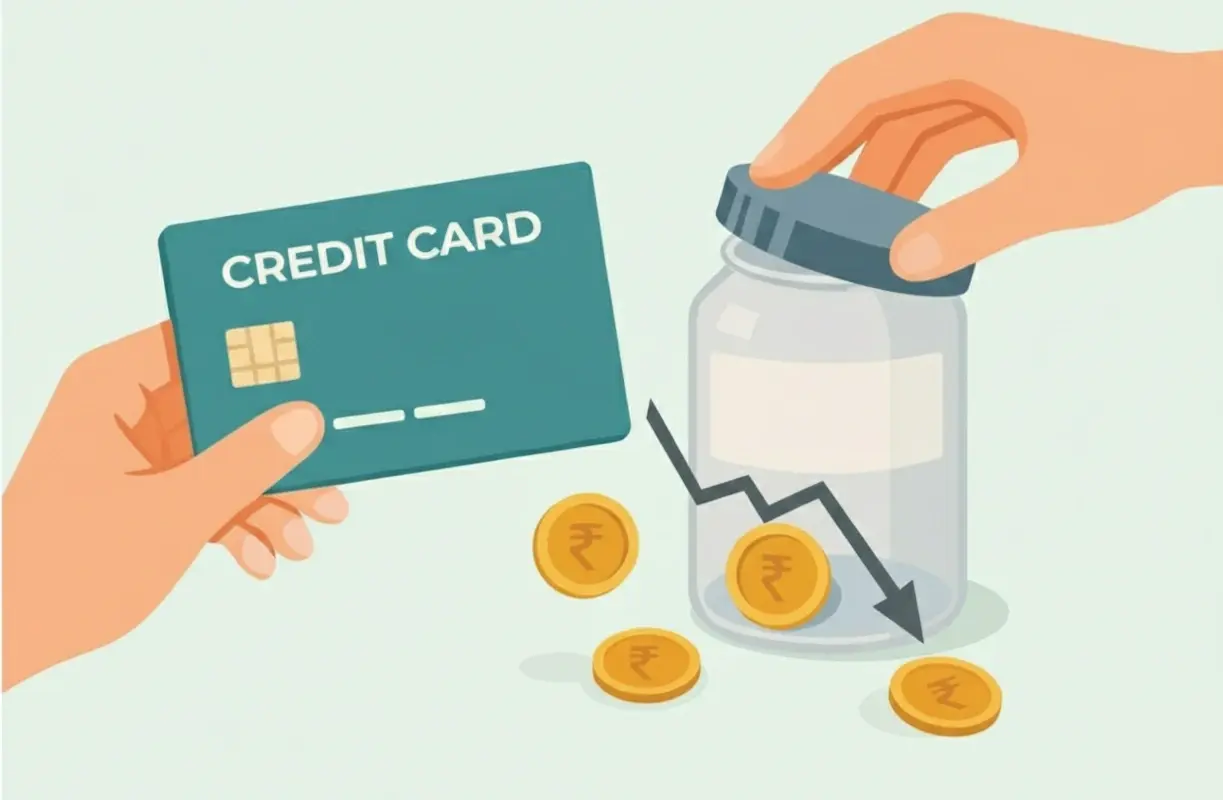
- Rely on high-interest loans or credit card debt.
- As result, it affects the financial plan and you lose years of progress.
Markets go up and down. Needing money during a downturn is the worst time to sell, you lock in losses and miss the recovery. The money that could have grown when markets bounced back is gone. Bankrate’s guide on when to sell a stock explains this trade-off in more detail. One forced sale or one high-interest loan can wipe out years of gains. Emergency funds exist so you never have to make that trade.
The Opportunity Cost Myth
Some people say: "My money should be invested, not sitting in savings." The returns you give up on six months to a year of expenses are small. Compare that to the cost of one forced sale during a crash, early withdrawal penalties, or credit card interest at 20–30% or more. The math favours keeping a dedicated emergency fund. Protection first, growth second.
How Much and Where to Keep It
Aim to save at least six months to one year of essential expenses: rent, utilities, food, insurance, and debt payments. Six months covers most situations. If your income is variable or you have dependents, target nine to twelve months instead. The fund should cover these if your income stops or a large expense hits.
Keep the money in an easily accessible, separate account, safe from market swings and not mixed with daily spending. A savings account is fine. The goal is access and safety, not return. Label the account clearly (e.g. "Emergency Fund") so you are less tempted to dip into it for non-emergencies.
Investing With Confidence
Once the fund is in place, you can invest with confidence. You are less likely to panic-sell during downturns because you know you can cover emergencies. You can take calculated risks and let investments grow undisturbed. Decisions come from clarity, not fear. Many investors who skipped the fund later wish they had prioritised it, the stress of selling in a crash or juggling debt often outweighs the extra returns they might have earned. A savings account alone is not enough to build wealth, but the emergency fund is what makes it safe to invest beyond it.
A Practical Sequence
Start with one month of expenses, then gradually build to six months to a year. Keep the fund separate and do not use it for goals or market opportunities. Only after hitting your target, start or increase investments. Do not invert the order: "invest and build the fund later" often fails because an emergency hits before the fund is ready. Build the fund first, then invest. That sequence protects your capital and your peace of mind.
Conclusion
Skipping the emergency fund to start investing sooner feels like a shortcut. In practice, one crisis can force a sale at a loss or pile on debt, undoing years of progress. Treat the emergency fund as non-negotiable: allocate a portion of income to it every month until you hit your target, then redirect that amount to investments. The small delay in investing is worth the security and the ability to stay invested when life throws a curveball.
Disclaimer
The information in this article is for educational purposes only and does not constitute financial or investment advice. All figures and calculations are illustrative. Consult a qualified financial advisor before making any financial decisions.
Key Takeaways
- An emergency fund protects you from selling investments in a crisis.
- Aim for three to six months of essentials before focusing on investing.
- Build the fund first, then invest for the long term.
Ready to Calculate Your FIRE Number?
Use our free FIRE calculator to get your personalized financial independence roadmap and 24-month action plan.
Calculate Your FIRE Number Now