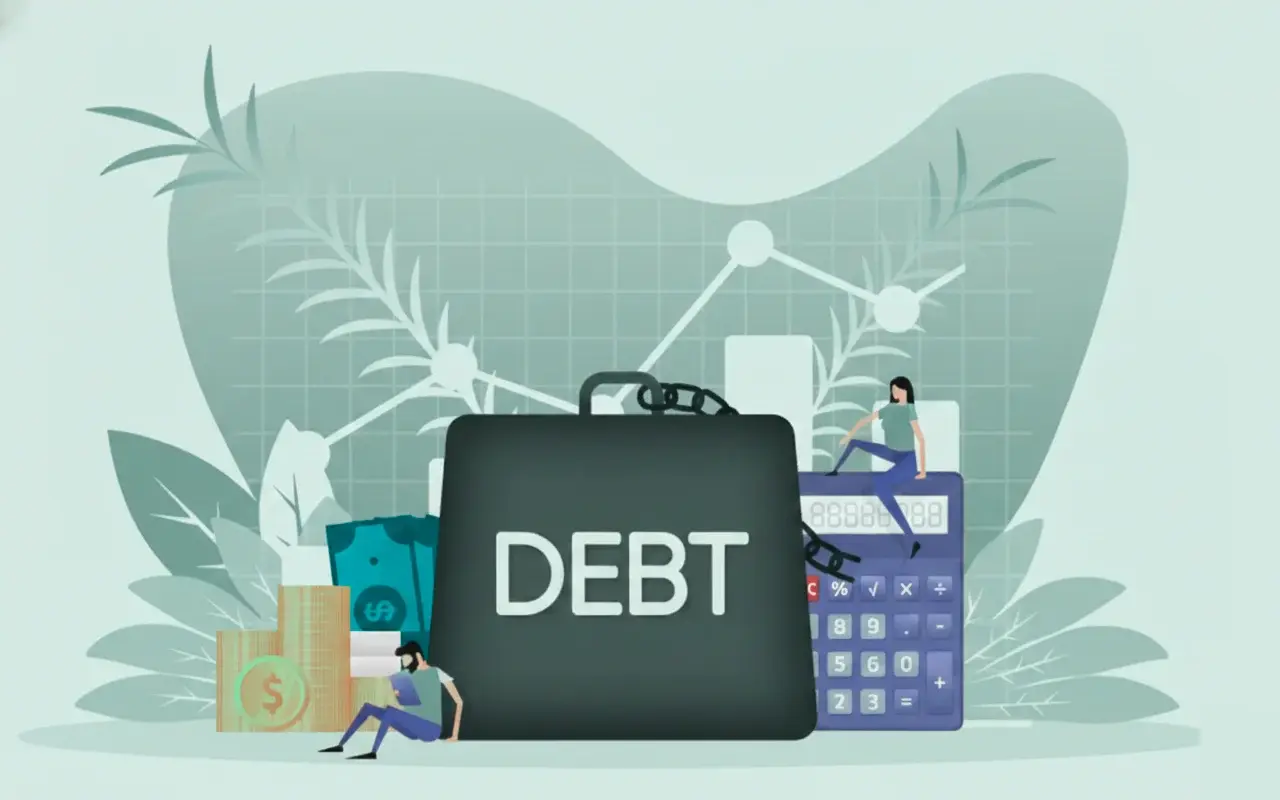
Understanding the critical threshold where monthly installments start to significantly impact your financial health and future is essential. When your total EMIs exceed 30% of your take-home income, you enter a danger zone where saving, building an emergency fund, and investing become very difficult. This article explains why the 30% threshold matters, what happens when you cross it, and how to get back below it so you can build wealth instead of just servicing debt.
The 30% Threshold
When your total EMIs exceed 30% of your monthly take-home income, you enter a danger zone. This threshold is not arbitrary, it is based on what is sustainable for financial health. Above 30%, your ability to save, build an emergency fund, and invest drops sharply. You have little margin for error: one income shock or large expense can force you into more debt or force you to sell assets. Staying below 30% gives you room to breathe and build.
Why This Number?
Thirty percent is a guideline used by many financial advisors and lenders because it leaves room for essentials like housing, utilities, food, transport, and still allows meaningful savings and investments. Once you cross 30%, the remainder of your income is typically consumed by essentials and lifestyle, leaving little for an emergency fund or long-term investing. The exact threshold can vary with income level and cost of living, but the principle holds: when debt service eats too much of your income, wealth building becomes nearly impossible. Knowing your ratio and keeping it below 30% (or lower if you can) is one of the most important steps for long-term financial health.
Review your ratio at least once a year. Before taking any new loan, calculate what your total EMI ratio would be after adding the new payment. If it would push you above 30%, reconsider the purchase or find a way to reduce other debt first.
Why 30% Matters
At a 30% EMI ratio or higher:
- Your ability to save is severely limited. Most of the remainder goes to essentials and lifestyle.
- Building an emergency fund becomes difficult. You need that buffer before you can invest with confidence.
- Investment opportunities are out of reach. Money that could grow is going to lenders.
- Financial stress increases significantly. Living with little margin affects decisions and wellbeing.
- You are one emergency away from trouble. Job loss, medical expense, or repair can force more debt.
The Cash Flow Problem
High EMI ratios create cash flow problems. You have less money for daily expenses, reduced ability to handle emergencies, there is no way for savings or investments, and constant financial pressure. Every raise or bonus may go to debt instead of to savings or investments. Breaking this cycle requires a plan to reduce debt and free up cash flow.
Impact on Financial Goals
When EMIs exceed 30%, emergency fund building became impossible to build, investment plans get delayed, retirement planning suffers, financial independence becomes distant, and you end up working to pay debt rather than to build wealth. The longer you stay in this zone, the more you lose in compounding and opportunity. Getting below 30% is one of the most important steps you can take for your long-term financial future.
The Compounding Cost
High EMI ratios do not just affect today, they create a negative compound interest effect. When you carry debt, interest is added to what you owe, and that interest then earns more interest over time. Your debt grows faster than it might seem, while the money going to EMIs could have been invested and grown through positive compounding instead. You lose investment opportunities, delay wealth building, extend debt repayment periods, and reduce financial security. The money that could have been invested and grown is instead going to interest. The earlier you get below 30%, the more time you have to build wealth on the right side of compound interest.
Recognizing the Problem
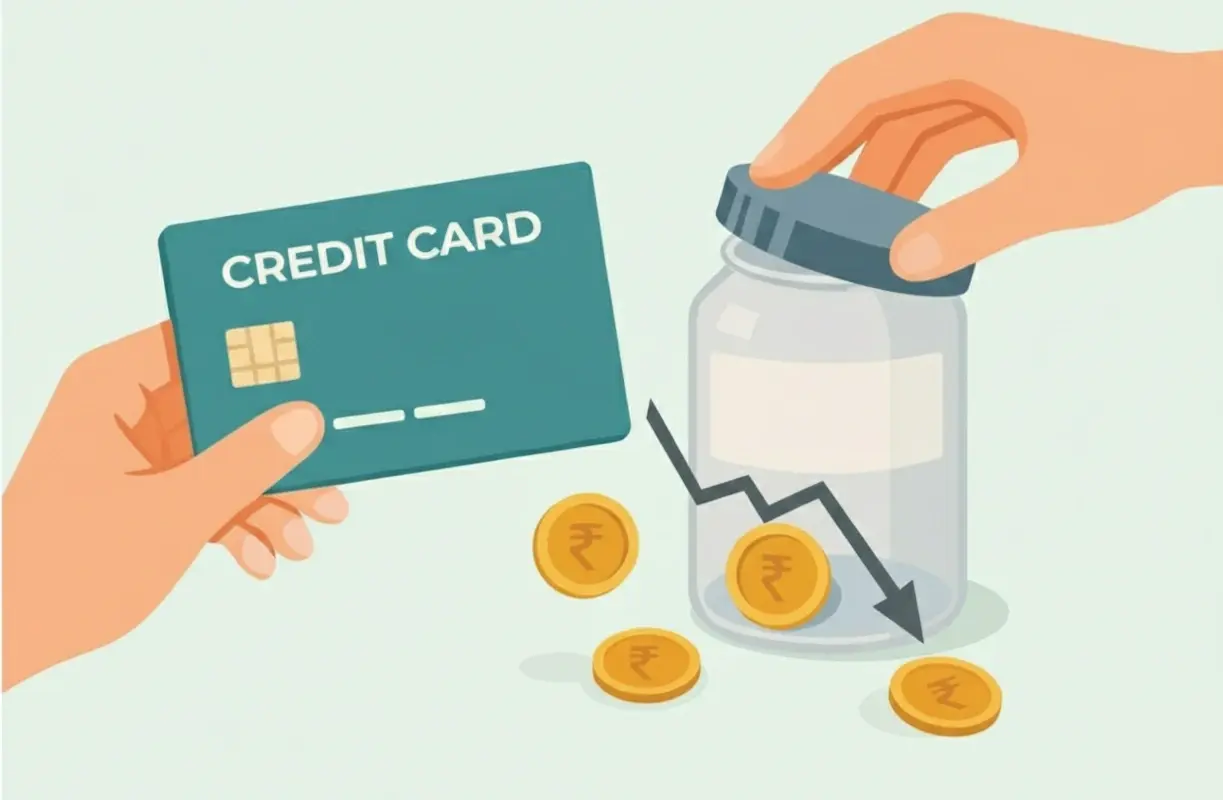
Signs you are over the 30% threshold include: struggling to save each month, using credit cards to cover expenses, having no emergency fund, being unable to invest regularly, and feeling constant financial stress. If this sounds familiar, calculate your EMI ratio, total monthly EMI outflow divided by take-home income and make a plan to bring it down.
Getting Below 30%
To reduce your EMI ratio, pay off high-interest debt first, avoid new loans and EMIs, consider debt consolidation only if it truly lowers cost and you do not add new debt, increase income if possible, and sell or downsize financed items that are not essential. Every amount of debt you pay off frees up cash flow for savings and investments.
The Path Forward
Once you are below 30%, use the freed-up cash flow to build an emergency fund first, then begin regular investments. Plan for financial goals, reduce financial stress, and build wealth systematically. The 30% rule is a guide, staying below it gives you the room to build the financial future you want.
Prevention
Before taking new debt, calculate your total EMI ratio including the new payment. Ensure it stays below 30%. Consider the opportunity cost: what could you do with that money if you did not take the loan? Evaluate if the purchase is necessary and explore alternatives, buying used, saving up, or delaying. Prevention is easier than digging out later.
The Long-Term View
Getting below 30% is not just about this month, it is about the next decade or two. Every month you stay above 30%, you lose a month of savings and investment growth. Every month you stay below 30%, you build an emergency fund, invest for the long term, and can start building passive income. The cumulative difference over years is enormous. So even if it takes time to pay down debt and bring your ratio below 30%, start now. The sooner you begin, the sooner you free up cash flow for wealth building.
Calculating Your Ratio
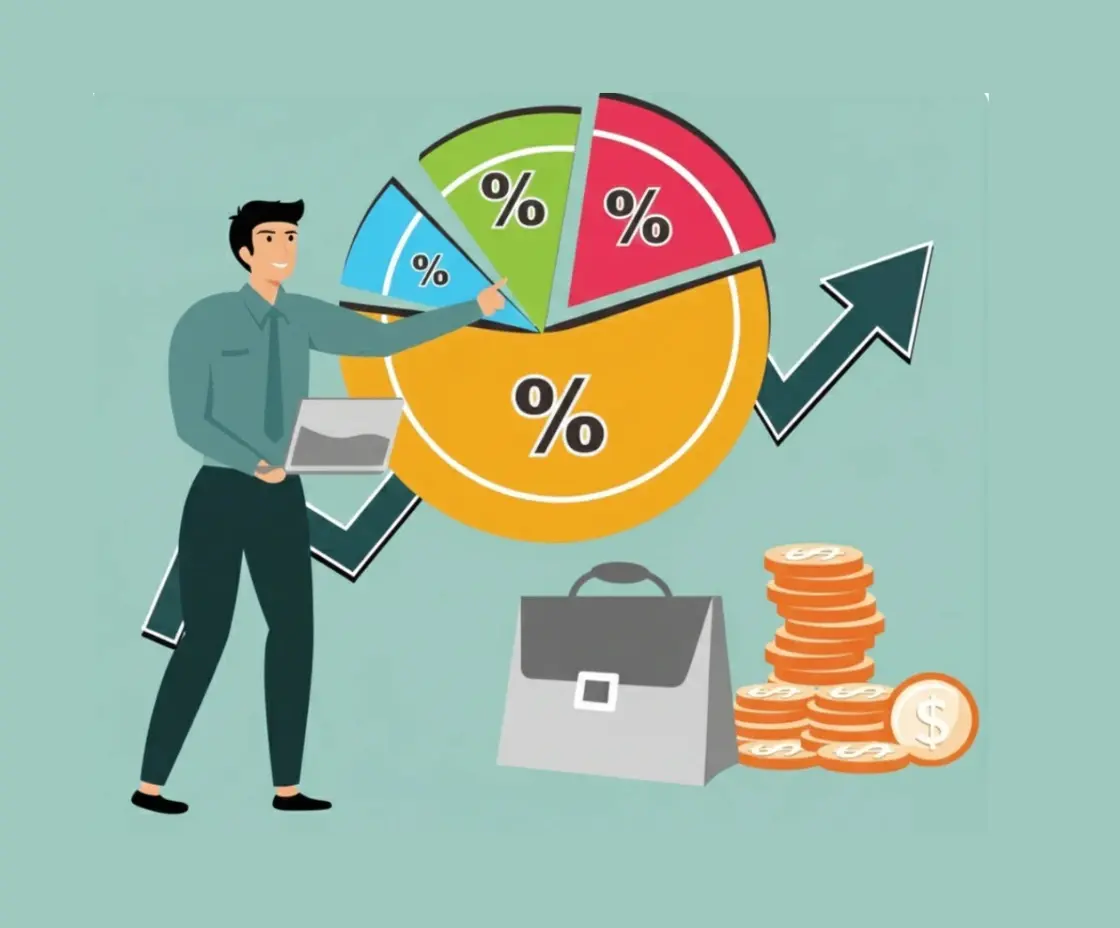
To know where you stand, add up all your monthly EMIs, home loan, car loan, personal loan, credit card minimums (if you carry a balance), any other installments and divide by your take-home income. Multiply by 100 to get a percentage. This is similar to the debt-to-income (DTI) ratio that lenders use to assess borrowers; your EMI ratio focuses on take-home income and monthly installments. If the number is above 30%, you are in the danger zone; make a plan to bring it down. If it is below 30%, keep it there before taking new debt. Review this ratio at least once a year or whenever you consider a new loan.
Conclusion
The 30% EMI threshold is a critical financial health indicator. Crossing it puts you in a dangerous zone where wealth building becomes nearly impossible. Stay below 30%, prioritize debt reduction, and free up cash flow for savings and investments. Your financial future depends on it.
Disclaimer
The information in this article is for educational purposes only and does not constitute financial or investment advice. All figures and calculations are illustrative. Consult a qualified financial advisor before making any financial decisions.
Key Takeaways
- EMIs above ~30% of income leave little for saving and investing.
- Keep debt service under control to protect financial health.
- Prioritize paying down debt and avoid adding new EMIs when already high.
Ready to Calculate Your FIRE Number?
Use our free FIRE calculator to get your personalized financial independence roadmap and 24-month action plan.
Calculate Your FIRE Number Now