Without an emergency fund and insurance, a job loss or medical emergency can wipe out years of savings and force you into debt. This article explains why emergency funds and insurance matter for a secure life, how much is enough, and how they create the foundation for confident wealth building.
The Safety Net
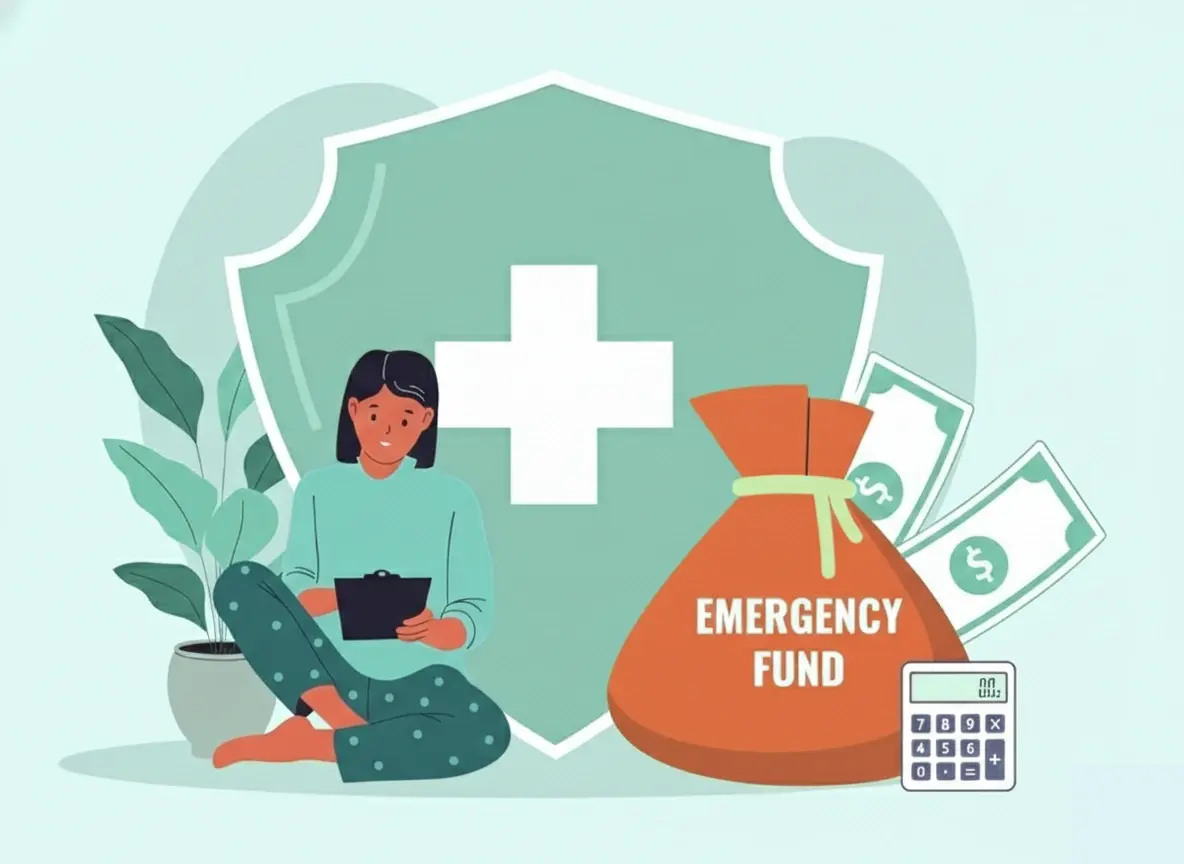
The emergency fund and insurace are your financial safety net. It protects you from unexpected expenses or any financial shock that could affect your plans. When you have a buffer, you can handle life's surprises without selling investments at the wrong time, taking high-interest loans, or dipping into long-term savings. The emergency fund is not an investment, it is protection.
Why Protection Before Growth?
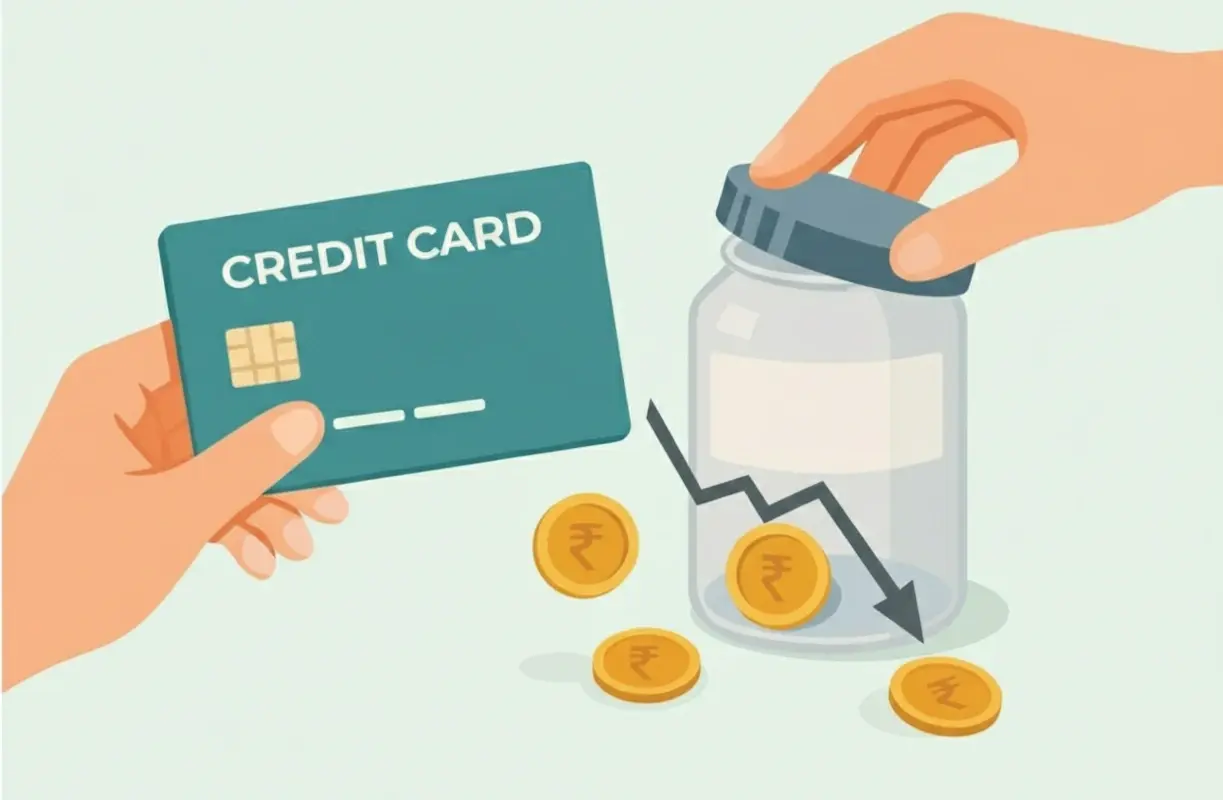
It is tempting to put every spare amount into investments and skip or delay the emergency fund. The logic seems like investments earn more than savings accounts. But the logic ignores risk. When an emergency hits and you have no buffer, you are forced to sell investments, often when markets are down or to borrow at high interest. One forced sale during a crash or one high-interest loan can wipe out years of investment gains. The small return you give up by keeping six months to one year of expenses in a low-yield account is far less than the cost of one crisis without protection. So the order matters. First build the safety net, then invest with confidence. Even you check our blog about the importance of emergency fund for more details.
Think of it as building a house. You do not put up the walls before the foundation. The emergency fund and insurance are the foundation; wealth building is what you build on top. Without the foundation, the rest is unstable.
How Much Is Enough?
Aim for three to six months of expenses in your emergency fund. If your income is variable or you have dependents, consider six to twelve months. This fund should be easily accessible in a savings account or similar, but separate from your daily spending account. The goal is to cover essential expenses (rent, utilities, food, insurance, debt payments) if your income stops or a large expense hits. If your EMIs are high, building this buffer can became impossible to do this. So, understand the importance of how EMIs become a burden, and how to free up cash flow first.
Insurance: Your Financial Shield
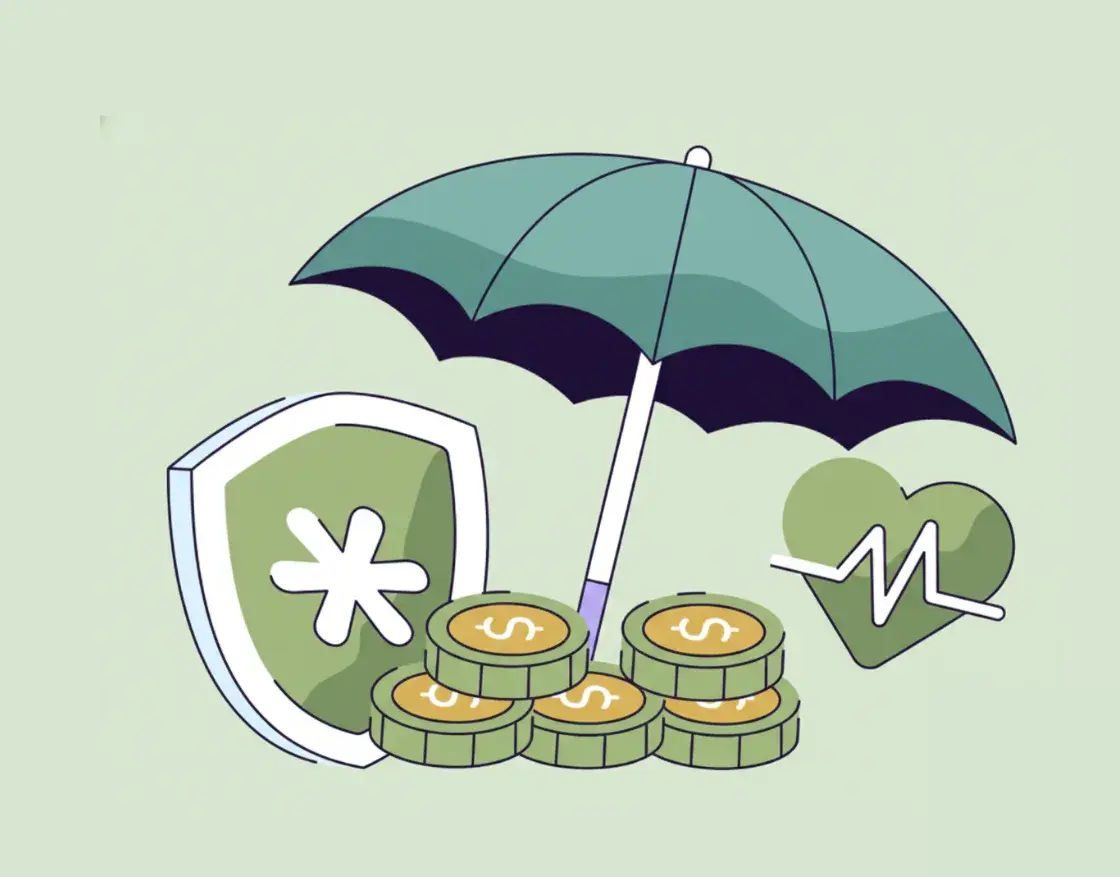
Insurance protects you from catastrophic financial events that could wipe out your savings and push you into debt.
Insurance protects you from:
- Health insurance: covers medical emergencies and major illness so one hospital stay does not destroy your finances.
- Life insurance: protects your family if they depend on your income.
- Disability insurance: covers income loss if you cannot work due to illness or injury.
The Cost of Being Uninsured
One major medical emergency or accident can wipe out years of savings. Insurance transfers this risk to a company for a manageable premium. You pay a known, affordable amount in return, you are protected from a rare but dangerous event. Skipping insurance to save money is a gamble that many people regret when the unexpected happens.
Building Your Protection
Build protection in order: first the emergency fund, then insurance.
- Emergency fund: Start with one month of expenses, then build to three to six months (or more if needed).
- Health insurance: Essential for everyone. Get adequate coverage for your situation.
- Life insurance: If you have dependents who rely on your income, term insurance is usually affordable and offers high coverage.
Peace of Mind
Knowing you are protected allows you to take calculated investment risks, focus on long-term wealth building, sleep better at night, and make decisions from strength rather than fear. Protection comes before growth. You cannot build wealth confidently if you are constantly worried about the next financial shock. Emergency funds and insurance are important to secure a life, they create the foundation for confident wealth building.
Where to Keep Your Emergency Fund
Your emergency fund should be easily accessible, you may need it at short notice. A separate savings account or as gold is usually best. Do not keep it in stocks or long-term fixed deposits that lock your money or expose it to market risk. The goal is access and safety, not return. A slightly lower return is a small price to pay for knowing you can cover an emergency without selling investments or borrowing at high interest.
Rebuild After Use
If you ever use your emergency fund, make the habit of rebuilding it as a priority. Treat it like a non-negotiable expense, until the fund is back to your target level, redirect a portion of your income to rebuild it. Only then resume or increase investments. This habit ensures you are always protected and never caught off guard twice.
Insurance: What to Prioritize
If you cannot afford all types of insurance at once, prioritize. Health insurance is usually the first priority, one major illness can wipe out savings and push you into debt. If you have dependents who rely on your income, term life insurance is next, it is typically affordable and offers high coverage. Disability insurance matters if your income would stop if you could not work. Property or other insurance depends on your assets and risks. Get adequate coverage for the risks that could derail your finances; skip or defer the rest until you can afford it.
The Compound Benefit of Protection
Emergency funds and insurance do not just protect you once, they protect you repeatedly. Every time you avoid selling investments in a downturn or avoid a high-interest loan because you had a buffer, you preserve your wealth and your plan. That compound benefit, avoiding one crisis after another, is why protection is the foundation. Build it first, keep it in place, and then focus on growth with confidence.
When Emergencies Happen
When an emergency hits, a job loss or a large unexpected bill, having an emergency fund and adequate insurance changes everything. You can cover the expense without selling investments at a loss or taking high-interest debt. You can focus on resolving the situation instead of scrambling for money. That peace of mind and financial stability are worth far more than the small return you give up by keeping money in a low-return emergency fund. Protection enables growth without it, growth is built on sand.
The Real Cost of Being Unprepared
Consider two people: one has six months of expenses in an emergency fund and adequate health and life insurance. The other has invested everything and skipped the fund and insurance. When a medical emergency or job loss hits, the first person covers the expense from the fund or insurance and keeps investments intact. The second is forced to sell investments at a loss or borrow at high interest, affects years of progress. The gap in outcomes is not luck, it is the direct result of whether protection was in place. The real cost of being unprepared is not just the immediate crisis. It is the compounding damage: forced selling of investments at a loss and high-interest debt that sets your plan back by years. Building protection first avoids that cost.
Do not skip the emergency fund or insurance to invest sooner. The sequence that works is first emergency fund, then adequate insurance, then invest. That sequence protects your investments and your mental peace, and it is the foundation for confident long-term wealth building. If you want to see how this fits into a full plan, use our free tool to get a personalized roadmap and red flags based on your situation.
Conclusion
Emergency funds and insurance are not expenses, they are investments in securing your life and your financial future. Build your emergency fund first, get adequate insurance coverage, then focus on wealth building. Protection enables growth.
Disclaimer
The information in this article is for educational purposes only and does not constitute financial or investment advice. All figures and calculations are illustrative. Consult a qualified financial advisor before making any financial decisions.
Key concepts
Emergency fund
An emergency fund is cash set aside to cover unexpected expenses or loss of income, typically three to six months of essential expenses. It reduces the need to take on debt or sell investments in a crisis.
Insurance
Insurance is a contract that transfers financial risk to a provider in exchange for premiums. It protects against large, unexpected losses so that one event does not derail your finances.
Key Takeaways
- Emergency funds are cash reserves for unexpected expenses or income loss; three to six months of essentials is a common target.
- Insurance transfers risk to a provider so one major event does not derail your finances.
- Both protect your foundation so you can pursue long-term goals without constant worry.
- Build an emergency fund before focusing heavily on growth-oriented investing.
Ready to Calculate Your FIRE Number?
Use our free FIRE calculator to get your personalized financial independence roadmap and 24-month action plan.
Calculate Your FIRE Number Now