
Disclaimer: This article is for educational purposes only and does not constitute financial, investment, or tax advice. Please do your own research or consult a qualified professional before making financial decisions.
You save. Your balance goes up. So why does it still feel like you're falling behind? Chances are, inflation is eating into it. Put simply, inflation means things cost more over time, so the same money buys less. A small amount, for example a small amount in your currency, today might only buy what a smaller amount did a few years ago. That's not because you spent wrong. It's because prices rise. And if your savings earn little or nothing, they can't keep up. Your account balance might grow on paper, but in real life your money is worth less. That's why savings alone often aren't enough.
Don't get me wrong, saving is important. You need cash for emergencies and short-term goals. The problem starts when that money sits in low-return accounts for years. We'll look at how inflation works, why your "growing" savings can still lose value, and what you can do about it.
The Inflation Problem
Inflation quietly destroys your value of money. Say your savings earn 4% but inflation is 6%. You're actually losing 2% of purchasing power every year. Over a decade or two, that adds up. What you could buy with a fixed sum today will cost more later. Money sitting in low-return accounts isn't standing still, in real terms, it's shrinking.
Real vs. Nominal Returns
As mentioned earlier, inflation destroys your money value. The nominal return is the return on your savings without adjusting for inflation. It shows the increase in the amount of money in your account. But, the real return is the return on your savings adjusted for inflation. It shows the increase in the purchasing power of your money.
The Math
If you save a lump sum at 4% interest and inflation runs at 6%:
- After 10 years, the nominal value grows, but the real value (purchasing power) falls.
- You have more in your currency on paper, but they buy less.
- Over decades, the gap between nominal growth and real value becomes large.
- You have effectively lost purchasing power despite "growth" in the account.
This is why long-term wealth building usually requires returns that beat inflation.
Why Savings Fall Short
Traditional savings accounts, fixed deposits, and similar instruments typically offer returns at or below inflation. Your money is relatively safe and accessible, but in real terms it is often shrinking. For emergency funds and short-term goals, that trade-off is acceptable, you need safety and access. For long-term wealth building, you need growth that beats inflation, which usually means accepting some volatility in exchange for higher long-term returns.
The Solution: Growth Investments
To beat inflation and build real wealth over the long term, you need growth investments, typically equity, mutual funds and for gold, that have historically offered returns above inflation over long periods. That does not mean putting all your money in stocks. It means balancing safety and growth - keep an emergency fund in safe, accessible accounts, and invest the rest in a diversified portfolio that fits your goals and risk tolerance, with a portion in growth assets so your wealth can beat inflation.
When we say gold, we mean gold in clear form of coins or bars, not ornaments or jewellery you wear or use. Do you know, Why? Ornaments and human-used gold often have making charges, wastage, and mixed purity, so you get less when you sell. The gold like ornaments, jewellery is also good. But, just keep in mind the wastage and other charges when you think of it as investment or when you sell.
Coins and biscuits are standard purity, easy to value and sell, and are treated as an investment asset. They can form part of a long-term, inflation defeating diversified portfolio alongside equity.
- Equity investments (stocks, equity mutual funds) have historically delivered real returns over long periods.
- Gold in clear form (coins, biscuits) can help beat inflation over the long term, prefer coins or bars over ornaments or used gold for purity, resale value, and lower cost.
- Returns that exceed inflation help preserve and grow purchasing power.
- Long-term compounding amplifies the benefit of higher returns.
- Risk can be managed through diversification, time horizon, and asset allocation.
The Time Factor
The longer you keep money in low-return savings, the more purchasing power you lose. Starting to invest early in a diversified manner, after building an emergency fund, is what drives wealth preservation and real growth over time. Time allows you to ride out short-term volatility and benefit from compounding. Delaying investing means losing years of potential real growth.
Balancing Safety and Growth
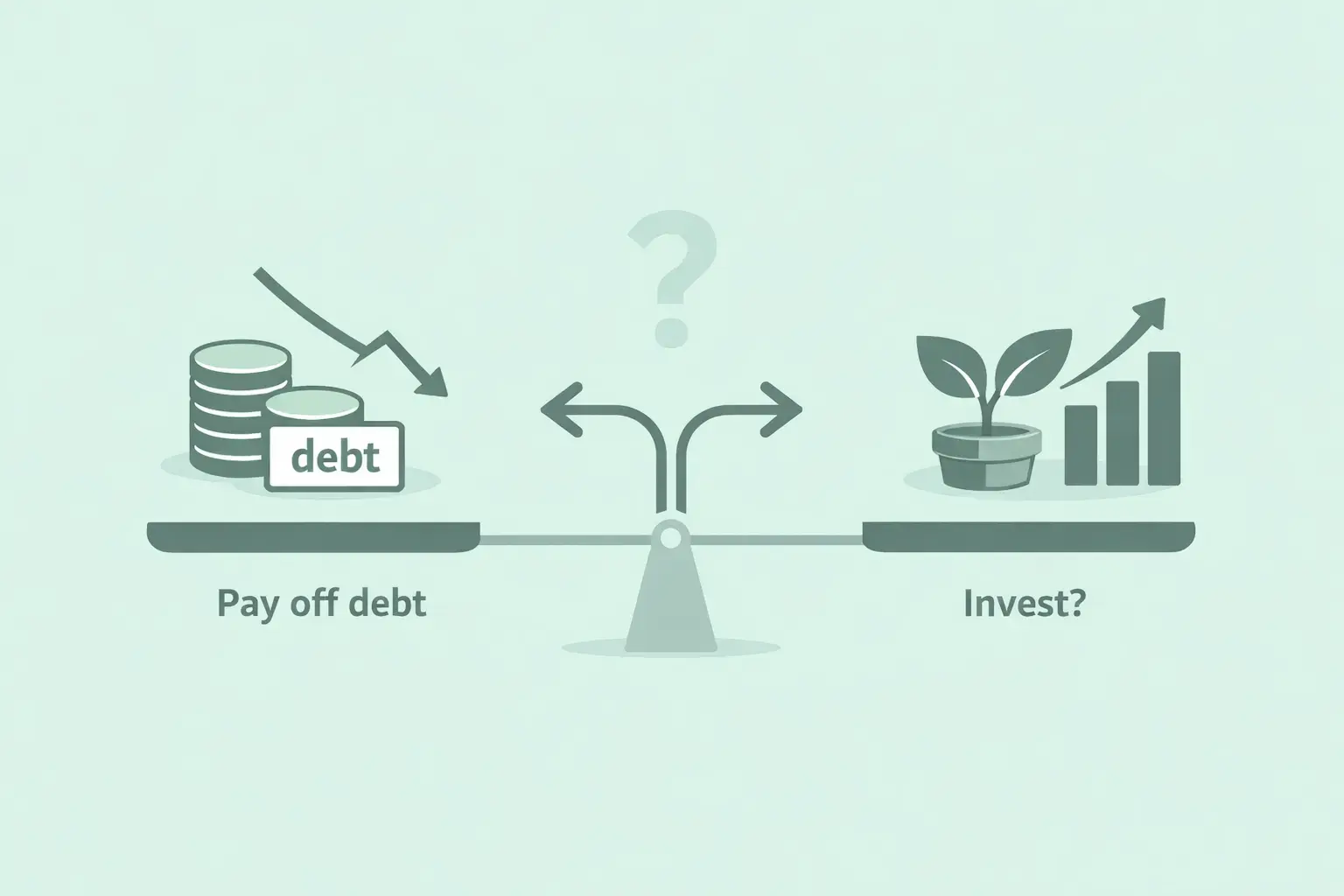
You need both, an emergency fund in safe, accessible accounts, and growth investments for long-term wealth building. The key is knowing which money goes where. Emergency fund and short-term goals stay in savings or similar. Long-term goals get a portion in growth assets so they can beat inflation over time.
Starting the Transition
Keep your emergency fund in savings or as gold. Once that is in place, start investing excess money in growth assets according to your goals and risk tolerance. Let compounding work over time. Review and rebalance periodically. Do not try to time the market, invest regularly and stay the course.
The Mindset Shift
Moving from "savings only" to "savings plus growth investments" requires a mindset shift. Savings feel safe because the number on the statement rarely falls, but in real terms, that number is often shrinking. Growth investments can be volatile in the short term, but over long periods they have historically beaten inflation and built real wealth. Accepting some short-term volatility in exchange for long-term real growth is the shift that separates those who preserve purchasing power from those who lose it.
When to Use Savings vs. Investments
Use savings (or similar safe, accessible accounts) for your emergency fund and for short-term goals like money you might need within a few years. Use growth investments for long-term goals like retirement, financial independence, or anything more than five to ten years away. Mixing the two leads to either taking too much risk with money you need soon or leaving long-term money in accounts that cannot keep up with inflation. Clarity on which money is for what helps you allocate correctly.
The Inflation Reality
Inflation is not always visible, your bank balance may grow in nominal terms while your purchasing power falls. Over a decade or two, the gap between nominal growth and real value can be large. That is why long-term wealth building usually requires growth assets that have historically beaten inflation over long periods. Savings are essential for safety and access. Growth investments are essential for long-term wealth. Use both, in the right places.
The Retirement Trap
Many people plan to "save for retirement" by keeping money in fixed deposits or savings accounts. They feel safe because the number on the statement rarely falls. But in real terms, that money is often shrinking. By the time they retire, what looked like a large sum may buy far less than they expected. The retirement trap is the belief that safety means avoiding growth assets entirely. In reality, long-term safety requires preserving and growing purchasing power, which usually means a portion in growth assets that can beat inflation over decades. Start the transition from pure savings to a balanced approach early: safety for the short term, growth for the long term.
Conclusion
Savings are essential for emergencies and short-term needs, but they are not enough for long-term wealth building. To beat inflation and achieve financial independence, you must invest in growth assets. Start the transition from pure savings to a balanced approach: safety for the short term, growth for the long term.
Key Takeaways
- Inflation reduces the real value of cash over time.
- Savings in low-yield accounts may not keep up with inflation.
- Investing can help grow wealth in real terms over the long term.
Ready to Calculate Your FIRE Number?
Use our free FIRE calculator to get your personalized financial independence roadmap and 24-month action plan.
Calculate Your FIRE Number Now