Compounding is often called the eighth wonder of the world by Albert Einstein who understood it. Those who understand it earn it, those who do not, pay it. This article explains what compounding is, why time is its most powerful ingredient, and how you can put it to work for you through early and consistent investing.
What Is Compounding?
Compounding is the process where your money earns returns, and those returns then earn returns themselves. You are earning on your earnings, the snowball effect of wealth building. For example, if you invest a sum and earn 10% in the first year, in the second year you earn 10% on the original amount plus the 10% you already gained. Over many years, this creates exponential growth rather than simple linear growth.
The Magic of Time
The most powerful ingredient in compounding is time. The longer your money compounds, the more dramatic the growth becomes. Starting early gives you an enormous advantage because even small amounts can grow into large sums when they have decades to compound. Delaying by even a few years can significantly reduce the final amount, because you lose those years of growth on both your principal and your earlier returns.
Real Numbers
If you invest a lump sum at 10% annual return, the numbers illustrate the power of time:
- After 10 years: your money grows to about 2.6 times the original amount.
- After 20 years: it grows to about 6.7 times the original amount.
- After 30 years: it grows to about 17.4 times the original amount.
The growth accelerates over time, not linearly. The second decade adds more in absolute terms than the first, and the third decade adds even more. That is why starting early and staying invested is so important.
Why It Is Called the Eighth Wonder
Albert Einstein reportedly called compound interest the eighth wonder of the world. Those who understand it, earn it, those who do not pay it are already know about it. When you invest, compounding works for you. When you borrow, compounding works against you, your debt grows faster than you might expect. Understanding this helps you prioritize saving and investing while minimizing high-interest debt.
The Rule of 72
A simple way to estimate the effect of compounding is the Rule of 72. Divide 72 by your annual return percentage to find roughly how many years it takes to double your money. At 8% return, your money doubles in about 9 years. At 12% return, it doubles in about 6 years. This rule helps you set realistic expectations and see the value of higher returns when combined with time and risk tolerance.
Starting Early Matters
A person who starts investing at 25 has a massive advantage over someone who starts at 35, even with the same monthly investment. The earlier starter has ten more years of compounding. Time is your greatest asset in wealth building, you cannot get it back once it is lost. If you have not started yet, the best time to start is now, the second best is as soon as you can.
Why Consistency Matters
Regular investments combined with compounding create powerful wealth-building engines. You do not need a large lump sum to begin. Small, consistent amounts invested over time can grow into substantial wealth because of compounding. Systematic investment plans automate this process of you investing a fixed amount at regular intervals, buying more when prices are low and less when they are high, and let compounding do the rest over decades. Also build your passive income streams gradually, so that they can grow over time, and helps to invest more money in the future.
Patience and Discipline
Compounding requires patience. The biggest gains appear in the later years, so staying invested through market cycles is what makes compounding work. Avoid the panic selling in the period of market volatility. Discipline - Sticking to a plan and not reacting to short-term noise and allows compounding to work. Your future self will benefit from the patience you show today.
The Cost of Waiting
Every year you delay investing is a year of compounding lost forever. If you invest a fixed amount every year, the person who starts at 25 will often end up with far more at 60 than the person who starts at 35, even if both invest the same amount per year. The difference is time. So the cost of waiting is not just the returns you miss this year, it is the compounded returns on those returns for every year after. Start as soon as you have an emergency fund and a plan. Do not wait for the "right" moment, start now is the best time.
Reinvesting Your Returns
For compounding to work fully, you need to reinvest your returns rather than spend them. When you take dividends or interest out, that money stops compounding. When you reinvest, you earn returns on an ever-growing base. Over decades, the gap between "spend the returns" and "reinvest the returns" becomes huge. If you are building long-term wealth, keep reinvesting until you have reached your goal or no longer need the growth.
Compounding on Debt: The Dark Side
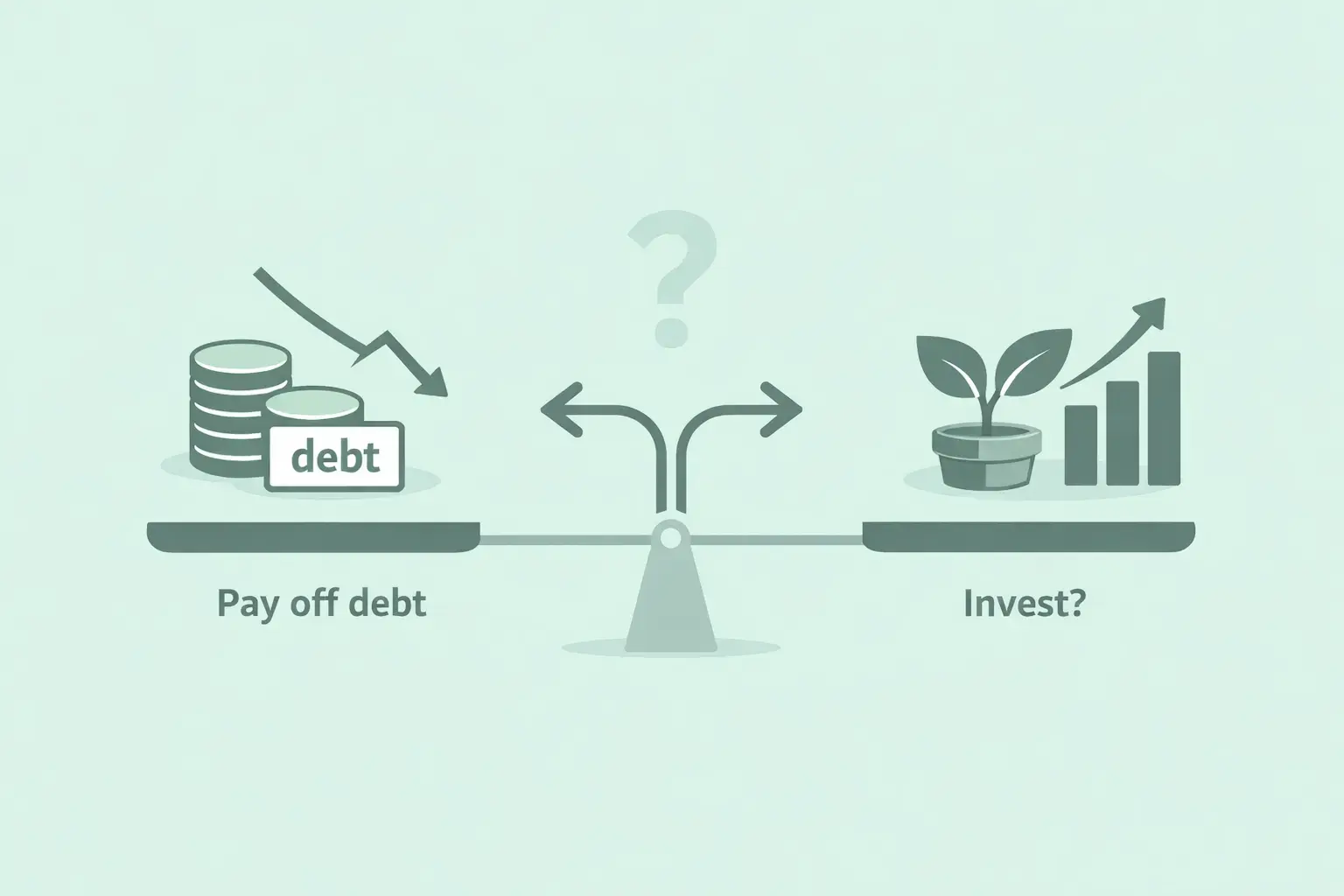
The same force that builds wealth when you invest works against you when you borrow. Credit card debt, personal loans, and other high-interest debt compound just like investments, but in the wrong direction. Every month you carry a balance, interest is added, and the next month you pay interest on that higher amount. That is why paying off high-interest debt is often described as earning a "guaranteed return" equal to the interest rate you stop paying. Understanding compounding in both directions helps you prioritize, accelerate debt payoff when rates are high, and let compounding work for you in investments once debt is under control.
Conclusion
Compounding is the foundation of long-term wealth creation. Start early, invest consistently, and let time work its magic. The eighth wonder of the world will work for you when you understand it, use it, and stay the course.
Disclaimer
The information in this article is for educational purposes only and does not constitute financial or investment advice. All figures and calculations are illustrative. Consult a qualified financial advisor before making any financial decisions.
Key Takeaways
- Compound interest grows on principal and on past interest.
- Time is the main lever; starting early has the biggest impact.
- Long-term investing benefits most from compounding.
Ready to Calculate Your FIRE Number?
Use our free FIRE calculator to get your personalized financial independence roadmap and 24-month action plan.
Calculate Your FIRE Number Now