
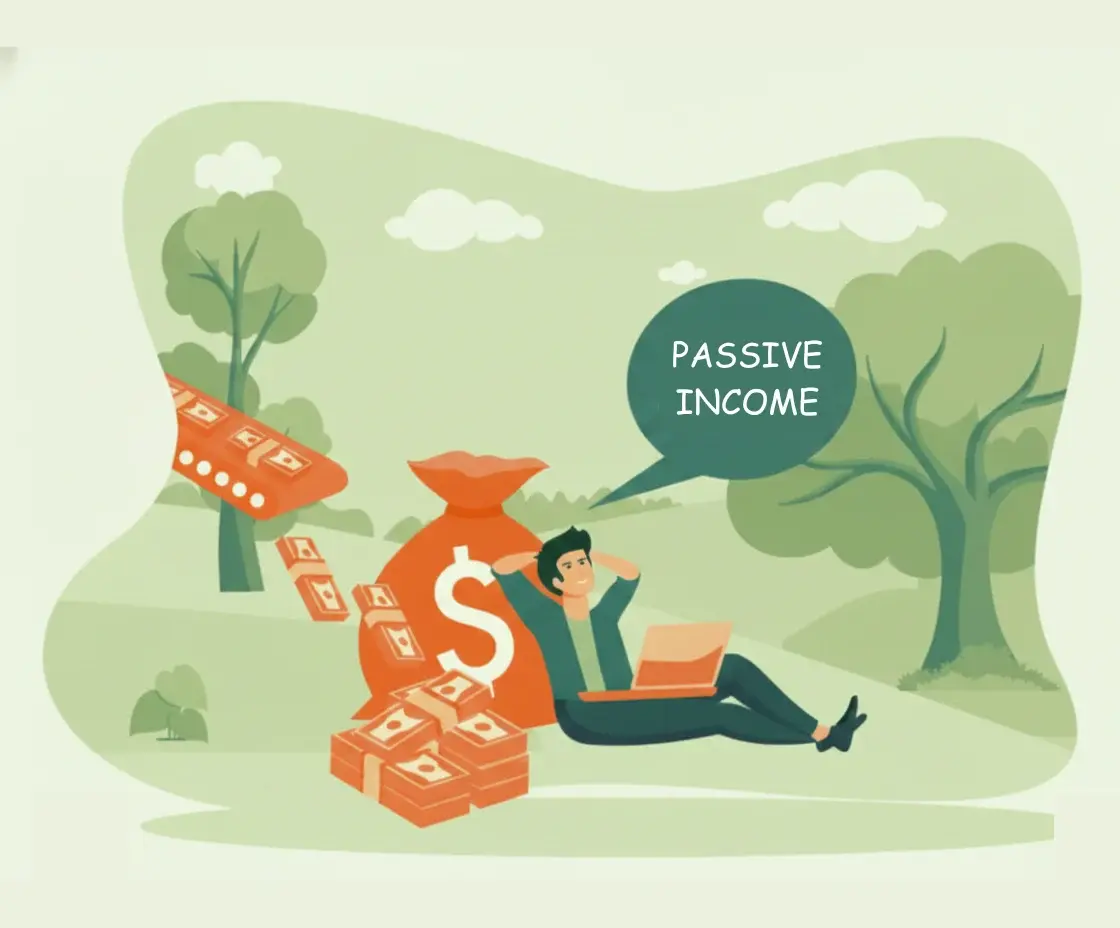
Passive income is money you earn without actively spending your time for it. It includes dividends, interest, rental income, royalties, and other streams that work for you. This article explains what passive income is, why it matters for financial freedom, and how to start building it gradually.
What Is Passive Income?
Passive income is money you earn without actively spending your time for it. It includes rental income, dividends from stocks, interest from bonds or deposits, royalties from content or intellectual property, and other income streams that work for you. Once you set up the stream, it can generate income with limited ongoing effort. It is not always completely passive, some streams need occasional attention, but it is not tied to trading hours for a paycheck.
The Path to Freedom
Active income salary or wages requires your presence and time. If you stop working, the income stops. Passive income works while you sleep, travel, or focus on other priorities. When your passive income exceeds your expenses, you have achieved financial independence, you no longer need to work for money to cover your lifestyle. That is why passive income is often called the foundation of financial independence and early retirement.
Breaking the Time-for-Money Trap
Most people are stuck in a cycle of working more hours to earn more money. Passive income breaks this cycle by creating income streams that do not depend on your active participation. You invest time, capital, or both upfront, over time, the stream generates returns. The goal is to shift from spending time for money to having money and systems work for you.
Types of Passive Income
Common sources of passive income include:
- Investment income: dividends from stocks, interest from bonds or fixed deposits.
- Rental income: from real estate or other assets you own and rent out.
- Digital income: online courses, royalties from books or content, affiliate income.
- Business income: profits from businesses that run without your daily involvement.
Each has different requirements for capital, time, and risk. Start with what fits your situation. For many people, dividend-paying investments or index funds are the first step.
Why "Passive" Does Not Mean Zero Effort
Passive income streams usually require upfront work like building a portfolio, setting up a property, creating content, or building a business system. After that, they can generate income with limited ongoing effort, but "limited" is not "zero." Dividends require choosing and holding investments. Rental income requires property selection, occasional maintenance, and tenant management. Digital or business income may need periodic updates. The goal is to reduce the ratio of time spent to income earned over time, so that eventually your money and systems work for you more than you work for them.
Do not expect to wake up one day with fully passive income and no prior effort. Expect to invest time, capital, or both upfront, and to refine your streams over the years. The payoff is that once a stream is established, it can keep generating income while you focus on other priorities, including building more streams or simply enjoying the freedom that comes with not spending every hour for a paycheck.
Building Your Passive Income Portfolio
Start small and build gradually. You do not need a large lump sum to begin. Consistent saving and investing over time can build meaningful passive income.
Practical steps:
- Invest in dividend-paying stocks or equity funds, if you are comfortable with market risk.
- Consider rental properties only after you have capital and understand the responsibilities.
- Create digital products or content if you have skills and time to invest upfront.
- Build systems that generate income, automate where possible and reinvest returns to grow the stream.
The FIRE Connection
Financial Independence, Retire Early (FIRE) is built on passive income. The idea is to save and invest aggressively until your passive income from investments, rental, or other streams exceeds your expenses. At that point, you have achieved financial independence, you can choose to work or not, based on preference rather than need. Passive income is the engine that makes this possible. To understand how much you need and when you could get there, a step-by-step FIRE number calculation gives you a concrete target to build toward.
Time and Patience
Building passive income takes time. Start with small investments, reinvest the returns, and let compounding work. Consistency and patience are essential. Do not expect overnight results. Expect to build over years and decades. The earlier you start, the more time your streams have to grow.
Diversifying Your Streams
Relying on a single source of passive income is risky, if that stream dries up, you lose the benefit. Diversify across types like for example, dividends from equities, interest from fixed income, and perhaps rental or digital income if it fits your situation. You do not need many streams at once, add them gradually as your capital and experience grow. Diversification reduces the impact of any one stream underperforming or stopping. But before that build your emergency fund and insurance first.
Passive vs. Active: Finding the Balance
Most people will have both active income (salary or business) and passive income for a long time. The goal is to grow passive income so that over time it forms a larger share of your total income and eventually can cover your expenses. There is no need to choose one over the other overnight, but build passive streams while you work, and let them grow. When the balance shifts enough, you have more freedom to choose how you spend your time.
Reinvesting to Grow Streams
To accelerate passive income growth, reinvest the returns instead of spending them. When you take dividends or interest out, that money stops compounding. When you reinvest, you earn returns on an ever-growing base, so your passive streams grow faster. Over years, the gap between "spend the returns" and "reinvest the returns" becomes large. If your goal is financial independence, keep reinvesting until your passive income is close to or above your expenses.
Starting Where You Are
You do not need a large lump sum to start building passive income. Even small, regular investments in dividend-paying funds or index funds can grow into meaningful passive income over decades. Start early, reinvest the returns, and add consistently. The earlier you start, the more time compounding has to work. Do not wait for the "perfect" moment, start with what you have and build from there.
Conclusion
Passive income is not a get-rich-quick scheme, it is a long-term strategy for financial freedom. Start building your passive income streams today, and give them time to grow into significant income sources. Your future self will thank you for the freedom that passive income can provide.
Disclaimer
The information in this article is for educational purposes only and does not constitute financial or investment advice. All figures and calculations are illustrative. Consult a qualified financial advisor before making any financial decisions.
Key Takeaways
- Passive income reduces dependence on active work.
- Dividends, interest, and rent are common sources.
- Building passive income supports financial independence and FIRE.
Ready to Calculate Your FIRE Number?
Use our free FIRE calculator to get your personalized financial independence roadmap and 24-month action plan.
Calculate Your FIRE Number Now